Electrical Safety Check
Electrical systems often get left alone for years. No one looks at them unless something stops working. An electrical safety check is about stepping back and asking a simple question: does this installation still meet the requirements of the Electrical Safety Regulations 2010 and current electricity safety regulations? Our job is not to complicate things. It is to look at the installation carefully, assess compliance, and tell you plainly where you stand.
Some clients come to us before a property changes hands. Others call after alterations, upgrades, or tenant fit outs. In many cases, it is simply about peace of mind.
What We Look At
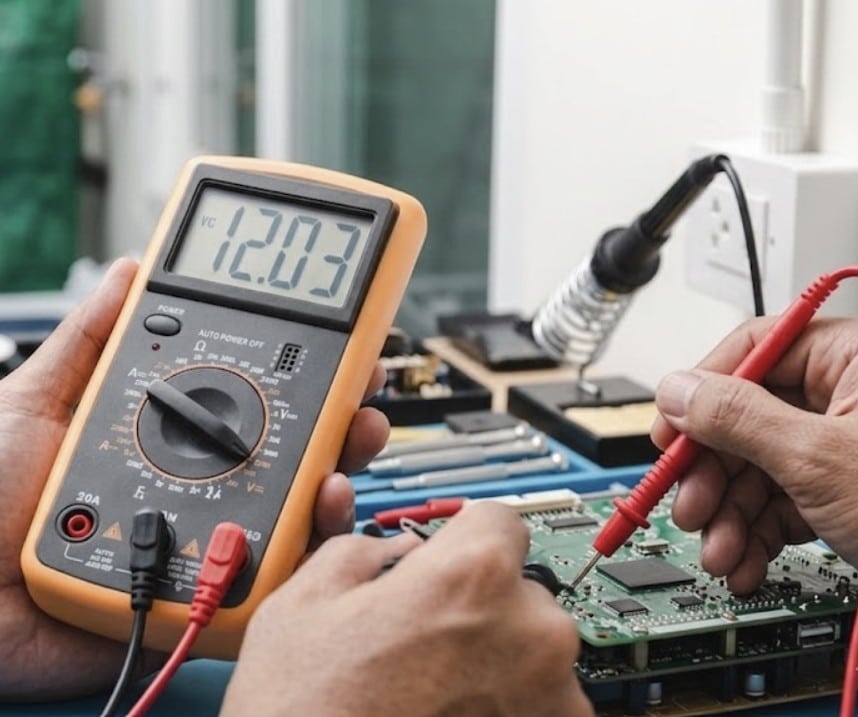
No two sites are identical. Age, usage, previous work, and environment all play a part. During an electrical safety check we typically assess:
- Switchboards and protective devices
- Earthing and bonding systems
- Condition of wiring and visible terminations
- Evidence of unapproved or unsafe alterations
- Previous certification and documentation
We measure what is there against current electricity and safety requirements. If something falls short, we explain what needs attention and why it matters.
Electrical Safety Tagging
Electrical safety tagging is often where issues first show up. Portable appliances get knocked around. Leads get stretched, cut, or repaired poorly. Equipment moves between sites and rarely gets tracked properly.
We test and tag appliances using calibrated equipment, record results, and label items clearly so there is no confusion about status or retest dates. For workplaces, this forms part of meeting obligations under electricity safety regulations and health and safety requirements.
It is a practical step, not just a compliance exercise.
Staying Compliant
Responsibility does not sit in one place. The Electrical Safety Regulations 2010 apply to owners, employers, and electrical workers alike. Each has a role in making sure installations remain safe and fit for purpose.
An electrical safety check is one way that responsibility is demonstrated in practice. It provides a current view of the installation, rather than relying on assumptions based on age or previous certification. Regular inspection and testing reduce risk, but they also serve another purpose. They leave a clear paper trail. If there is a failure, damage, or outside review, it is far easier to show what has been done and when.
Installations change over time. Equipment is added. Circuits are altered. Tenancies shift. What was compliant several years ago may not reflect the current condition of the site. Periodic electrical safety tagging and formal inspection help identify those gaps before they become problems.
LecSafe works independently, so our focus remains on safety and compliance rather than installation work. Clients value that separation. It keeps the advice straightforward and centred on meeting New Zealand regulatory requirements.
Book an Inspection
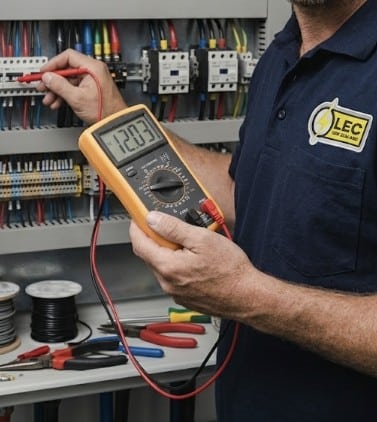
If you are unsure whether your installation meets current requirements, arrange an electrical safety check with LecSafe.
We will review the installation, explain our findings in plain terms, and confirm what is needed to comply with New Zealand regulations.
Electrical Safety Services
Book An Assessment
What People Say About Us


Book An Free Assessment
Get in touch today to organise a site-visit and quote for your electrical safety programme.