AS NZS 3760 Test and Tag
Most people don’t think about test and tag until they have to. Usually, it’s after a site audit, a safety review, or someone asking when equipment was last checked.
That’s where AS NZS 3760 comes in. It sets the standard for how electrical equipment should be inspected, tested and tagged in New Zealand workplaces.
You might see it written as AS/NZS 3760 or just NZS 3760, but it all refers to the same standard.
At LecSafe, we carry this out across a mix of different sites. Offices, workshops, factories, schools, retail stores, construction jobs and more. The approach stays consistent, but the way it’s applied can change depending on how the equipment is used day to day.
What AS NZS 3760 Actually Covers
In simple terms, AS NZS 3760:2022 is about making sure anything that plugs into a socket is safe to use.
That includes:
- Power tools that get knocked around
- Extension leads that are dragged across floors
- Office gear that rarely moves
- Staff kitchen appliances
- RCDs used for protection on site
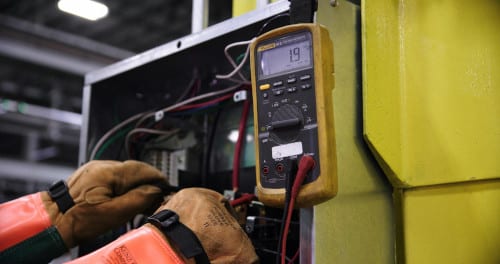
There are two parts to it. First, a visual check. Then, electrical testing using proper equipment. A surprising number of faults show up just from looking closely.
AS NZS 3760 Test and Tag Intervals
This is where it gets a bit unclear for most people. There isn’t just one rule that works for every site.
Testing frequency under AS NZS 3760 depends on risk:
- Construction sites are usually every 3 months
- Workshops and factories tend to sit around 6 months
- Offices are often a mix of yearly and 5 yearly
- Residential equipment is predominantly on a 2 year cycle
- Hire gear gets checked between each use
If equipment is used hard, it gets tested more often. If it sits under a desk all year, less so.
We often walk through this with clients because guessing the interval is where people get caught out.
What Happens When We Test and Tag
There’s nothing complicated about the process, but it does need to be done properly.
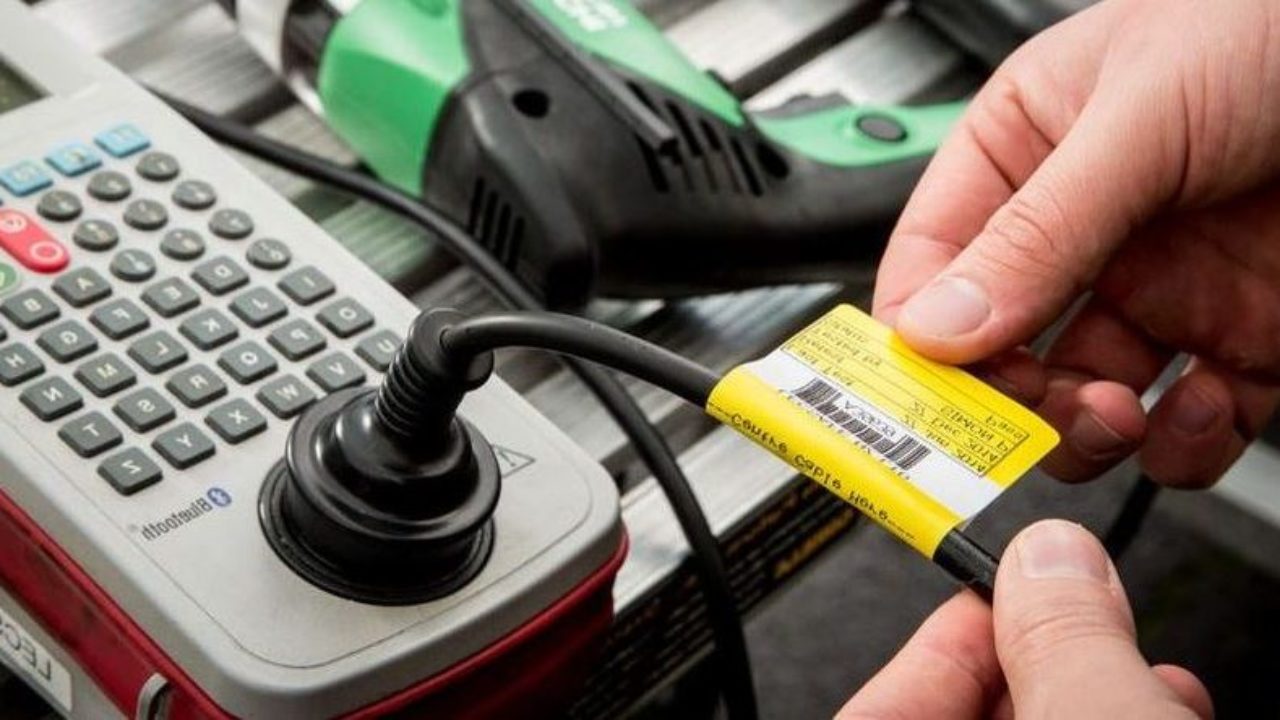
We start by checking for visible damage. Cracked plugs, worn or damaged leads, loose connections. That’s usually what shows up first. Then we test the equipment properly to check it’s still safe.
Once it passes, we tag it with the date and the next test due. We also send through a record of everything we’ve checked, so you’ve got it on hand if anyone asks.
Why It’s Worth Staying on Top of It
Faulty equipment doesn’t always fail straight away. Sometimes it sits there quietly until it doesn’t.
Regular testing helps catch:
- Worn cables before they become dangerous
- Faults that could lead to electric shock
- Equipment that’s no longer safe to use
It also means you’re covered from a compliance point of view, which matters if something goes wrong.
FAQs
What does the AS NZS 3760 standard cover?
AS NZS 3760 sets the standard for how electrical equipment should be inspected, tested, and tagged in New Zealand workplaces. It essentially ensures that anything that plugs into a socket is safe to use. The standard covers a wide range of equipment, including:Power tools Extension leads Office gear Staff kitchen appliances RCDs
Working With LecSafe
We keep things pretty simple. We show up on time, get through the testing, and stay out of your way as much as possible. At the end of it, you’ve got clear records and nothing left hanging.
Not sure what applies to your site under AS NZS 3760? We can have a look and point you in the right direction.
When you’re ready, get in touch with LecSafe and we’ll get it booked.
Book An Free Assessment
Get in touch today to organise a site-visit and quote for your electrical safety programme.


